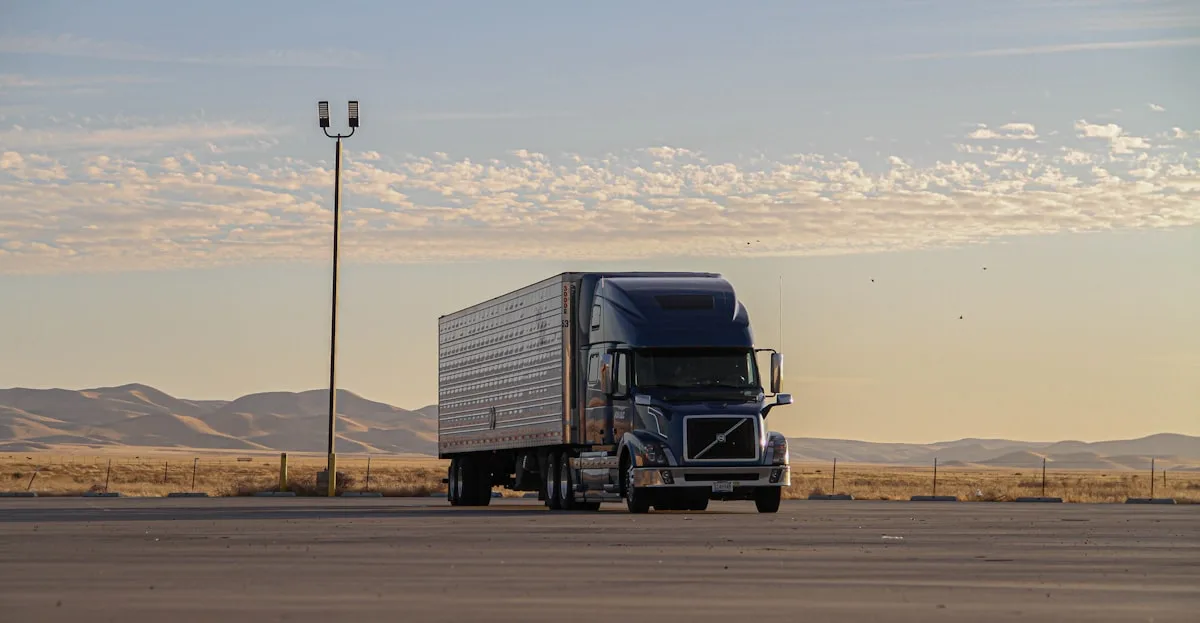


How to Choose a Reliable Logistics Company in Delhi
Delhi has no shortage of transporters, and the cheapest quote is rarely the cheapest outcome. Here is what to verify before you hand over a consignment.
Read articleWarehousing is usually treated as a cost to be minimised, which is why so many businesses pay more than they need to. The storage rate is the visible number, but it is rarely where the money actually goes. Here is where it tends to hide.
The first is stock sitting in the wrong place. Goods stored a long way from where they are consumed generate freight every time they move, and that freight is often larger than the storage saving that put them there. Warehousing close to the demand costs more per square foot and less per order. Before comparing storage rates, work out what each option costs you in movement.
The second is paying for peak capacity all year. Most businesses have a season — a festival period, a harvest, a production cycle — where volume rises sharply and then falls away. Renting for the peak means paying for empty space for months. Renting for the average means scrambling when the peak arrives. The way out is usually a smaller committed footprint plus an arrangement for overflow when it is needed, which is exactly what shared warehousing is for.
The third is handling that has not been thought about. Every time goods are lifted, moved, restacked or re-counted, someone is paying for it. A layout that puts fast-moving stock near the dispatch door and slow-moving stock at the back removes a surprising amount of labour from every week. So does receiving goods on pallets rather than loose, if your supplier can be persuaded — loose unloading is slow, and slow unloading is expensive at both ends.
The fourth is damage, which is a cost most businesses under-count because it turns up as a write-off rather than as a warehousing line. Stacking heights that ignore what is in the carton, dragging rather than lifting, and storing fragile goods where they get walked past all quietly destroy stock. So does damp, on a floor without proper protection through the monsoon. Damage is cheaper to prevent than to absorb.
The fifth is not knowing what you have. Stock that cannot be found gets reordered. Stock that is not counted goes obsolete unnoticed. A simple, disciplined record — what came in, where it went, what left — costs very little and stops both. This does not need a complex system to begin with; it needs to be done consistently.
Underneath all five is one idea worth holding onto: warehousing and transport are the same problem, not two problems. A decision that reduces storage cost while increasing movement cost has not saved anything. When you are comparing options, look at the total of what it costs to hold your goods and what it costs to move them, over a full year including the peak.
The practical starting point is to map where your stock actually sits and where it actually goes, over a year rather than a month. Most businesses find at least one thing being stored somewhere that made sense when the arrangement started and does not now. That is usually the cheapest saving available, and it costs nothing to look.
Delhi has no shortage of transporters, and the cheapest quote is rarely the cheapest outcome. Here is what to verify before you hand over a consignment.
Read articleDoor-to-door sounds self-explanatory until you compare two quotes and find they include different things. Here is what the service actually covers and who it suits.
Read articleJharkhand is an industrial corridor, and freight into it behaves accordingly — heavy cargo, plant deliveries and gate formalities that matter more than road transit does.
Read article