
How to Choose a Reliable Logistics Company in Delhi
Delhi has no shortage of transporters, and the cheapest quote is rarely the cheapest outcome. Here is what to verify before you hand over a consignment.
Read articleA railway parcel booking is straightforward once the consignment is properly prepared. Almost every booking that goes badly went wrong before anyone touched a form — the goods were packed for a different kind of journey, the weight was a guess, or nobody had decided who was collecting at the far end.
This article is about the preparation. If you want the operational sequence itself, that is covered separately in our step-by-step booking process guide.
Start with whether your goods are suitable at all.
Railway parcel movement handles general merchandise, engineering goods, machinery and spares, building material, textiles, packaged consumer goods and most industrial consumables perfectly well. What it does not suit is anything requiring temperature control, anything hazardous without proper classification and clearance, anything extremely fragile that will not tolerate additional handling, and perishables with a short shelf life. If your consignment falls into any of those, raise it before booking rather than after — you will get a straight answer about what can and cannot be carried.
Next, decide the shape of the service you actually want.
The core choice is between a door-to-door arrangement and a station-to-station one. Door-to-door means collection from your premises, the rail leg, and delivery to the final address, all handled as one movement. Station-to-station means you deliver to the booking point and the consignee collects at the other end. Door-to-door costs more because it includes two road legs and the coordination between them; station-to-station costs less but transfers real work to you and to your customer. Most businesses want door-to-door and should say so explicitly, because assuming it is included is a common source of surprise.
Then get the consignment itself ready.
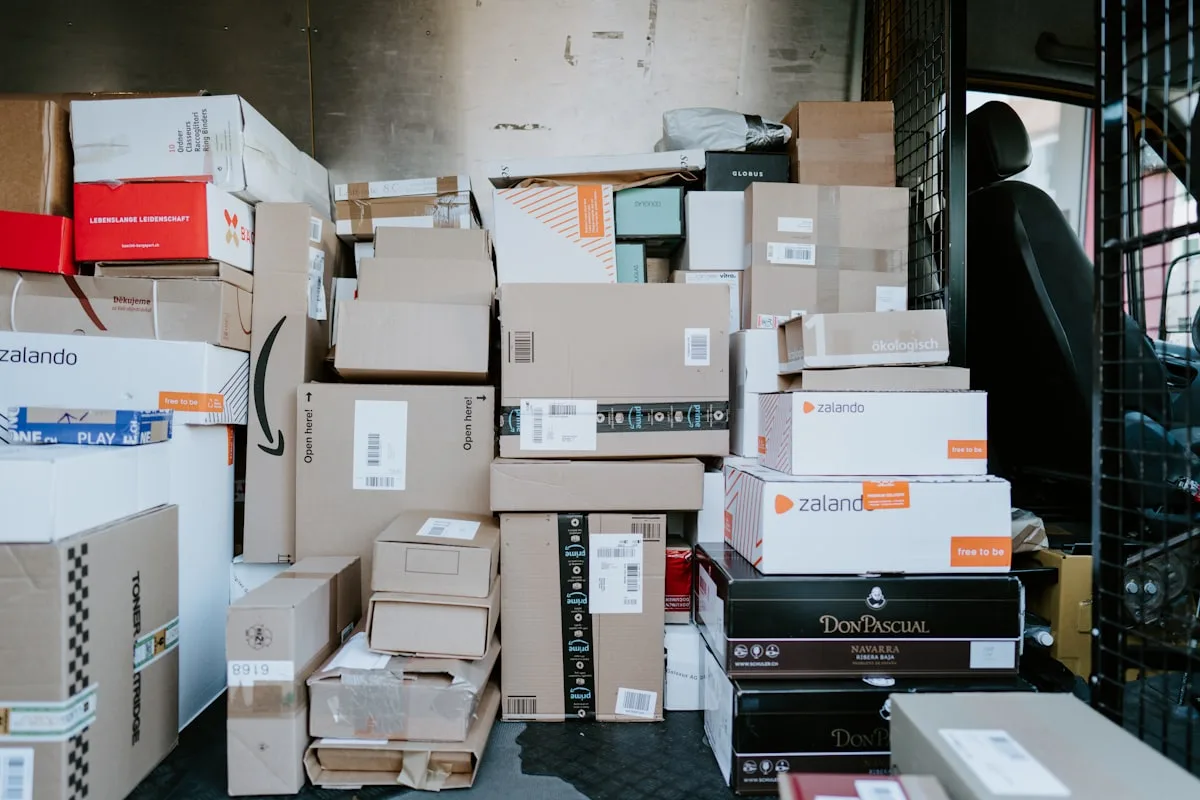
Packing matters more than for a dedicated truck. Your goods will be handled at more points, so packaging has to survive stacking, transfer and movement rather than simply sitting on a deck. Use rigid outer packaging, fill voids so contents cannot shift, seal properly, and mark each package clearly. Fragile or valuable items should be declared rather than hidden inside an unremarkable carton.
Weigh it properly. Do not estimate. An inaccurate declared weight is the single most common cause of a booking being re-planned, re-priced or held, and on rail the correction happens at a point where it is slow to fix. If you do not have scales, say so and ask how it should be handled rather than writing down a guess.
Have the paperwork ready before you book, not after. That means a correct invoice, an accurate and specific description of the goods, and whatever statutory documentation the movement requires. "General goods" is not a description. A vague or inconsistent declaration is what gets a consignment stopped, and by then the vehicle and the booking slot are both gone.
Sort out the destination end before dispatch. You need a complete delivery address including landmark, a consignee name, and a working contact number. If the delivery point has restricted access, limited hours, or requires a gate pass or delivery slot, that needs to be known at booking. A perfectly executed rail movement still fails if nobody can take delivery.
Finally, be realistic about timing. Rail runs to its own schedule, so your collection date is set backwards from the intended movement rather than forwards from your phone call. If your goods must arrive by a fixed date, build genuine buffer in and say the date is firm — a coordinator who knows that plans differently from one who assumes flexibility.
Get those seven things right and the booking itself is the easy part. Get them wrong and no amount of good handling downstream will rescue it.
Delhi has no shortage of transporters, and the cheapest quote is rarely the cheapest outcome. Here is what to verify before you hand over a consignment.
Read articleDoor-to-door sounds self-explanatory until you compare two quotes and find they include different things. Here is what the service actually covers and who it suits.
Read articleJharkhand is an industrial corridor, and freight into it behaves accordingly — heavy cargo, plant deliveries and gate formalities that matter more than road transit does.
Read article